

A Limited Obligation Company (LLC) is a prominent business framework in the United States because of its adaptability and the defense it supplies its proprietors from individual responsibility. An LLC can be established by one or even more individuals, who are referred to as participants. Unlike corporations, which are needed to hold official conferences and keep detailed records, LLCs appreciate a much less official structure and have fewer demands, making them an appealing alternative for tiny to medium-sized organizations. This kind of firm integrates the pass-through taxes of a partnership or sole proprietorship with the limited obligation of a corporation, ensuring that members are not personally in charge of company debts and cases.
The procedure of establishing an LLC varies from state to state, however normally includes submitting a file called the Articles of Company with a state company, usually the Secretary of State. This record typically outlines fundamental info regarding the LLC, such as its name, address, and the names of its participants. Along with the Articles of Company, a lot of LLCs run under an operating arrangement, which describes the monitoring structure and the distribution of revenues amongst members. This agreement, although not obligatory in all states, helps to ensure all participants are clear regarding their responsibilities and the functional procedures of the LLC. Tax for LLCs is likewise fairly adaptable; earnings and losses can be passed via to participants and reported on their individual tax returns, or the LLC can pick to be tired like a company.
Comprehending Limited Responsibility Companies (LLCs)
A Restricted Responsibility Business (LLC) is a popular business framework that incorporates the pass-through taxation of a partnership or sole proprietorship with the restricted liability of a company. This blend makes it a preferred selection for lots of local business owner. When you develop an LLC, you produce a lawful entity different from its owners, known as members. This separation assists secure the members' individual properties from the company's financial obligations and responsibilities. An LLC is adaptable in terms of management and does not call for the procedures of a corporation, such as yearly conferences or a board of directors, making it easier to run. Since it stays clear of the double tax to which firms are subject, Taxes for an LLC is likewise beneficial. Revenues and losses can pass straight to the members without being taxed at the business level. Members report their share of the revenues on their personal income tax return, and any kind of tax due is paid at the specific level. This can result in substantial tax obligation financial savings and lower the management problem on business. Moreover, setting up an LLC is reasonably simple. The procedure includes picking a distinct name, filing articles of company with the pertinent state company, and paying a filing cost. Relying on the state, you might additionally be required to publish a notification of intent to develop an LLC and submit an operating arrangement, which lays out the administration framework and operating procedures for the LLC. The adaptability of an LLC encompasses its management, which can be structured to match business's needs. Members can take care of business themselves, or they can assign managers that may or may not be members. This is especially advantageous for larger companies or those participants who want to be passive investors. Finally, operating as an LLC can boost an organization's trustworthiness with prospective customers, vendors, and partners. The formal structure and individual property security it gives can be a substantial aspect in establishing depend on and expertise in the market. This element, integrated with the convenience of arrangement and versatile administration alternatives, makes the LLC an attractive choice for both recognized and new businesses.
Recognizing the Structure and Advantages of an LLC
An LLC, or Restricted Responsibility Business, is a preferred organization framework in the United States because of its adaptability and the defense it uses its owners from personal obligation. At its core, an LLC is designed to offer the lawful protections of a company with the tax advantages and operational flexibility of a partnership. Establishing an LLC is fairly straightforward, yet it requires cautious consideration of how it will be taken care of and what its operating contract will certainly entail. This agreement, which is important for all LLCs, lays out the rules regulating business and states the civil liberties and responsibilities of its members. Among the primary advantages of an LLC is its tax obligation therapy; losses and profits can pass via straight to the proprietors' individual tax returns, staying clear of the double taxation that corporations can deal with. This pass-through taxation requires yet simplifies the procedure that each member handles their tax obligation duties independently. Additionally, while an LLC guards owners from personal obligation for company financial obligations and commitments, this protection is not absolute. Participants have to guarantee they do not pierce the corporate veil, which can happen if they do not preserve a clear difference in between their individual and service financials. register corporation in california of LLCs is their adaptability in regards to subscription and monitoring. Unlike companies, which call for a board of directors and corporate policemans, an LLC can be handled by its members or by designated managers. This allows LLCs the capability to customize their administration structure to suit their certain needs, whether they have a single proprietor or numerous partners. Understanding and using the framework of an LLC correctly can provide business owners with a powerful tool for managing their business's legal and financial liabilities while taking advantage of on functional and tax effectiveness.
Comprehending the Structure and Advantages of Minimal Obligation Companies (LLCs)
When thinking about the development of a service, among the most prominent choices amongst entrepreneurs is the Minimal Liability Firm (LLC). This business structure uses a versatile monitoring arrangement and distinct benefits in regards to tax and responsibility, making it a desirable choice for numerous. LLCs distinctly blend the attributes of both corporations and collaborations, offering the minimal responsibility attributes of a corporation with the tax obligation effectiveness and operational flexibility of a partnership. In an LLC, owners are described as participants, and there can be a solitary participant or numerous members. Each member's obligation is usually restricted for their investments in the company, hence the name. The management of an LLC is quite versatile. Participants can choose to manage business themselves, or they can designate managers to deal with the day-to-day procedures, which is beneficial if the owners are not thinking about the everyday running of the business or if the business is as well big or complex. This can be especially helpful in companies that call for a clear splitting up between ownership and administration. In addition, unlike firms, which have to abide by strict compliance and coverage demands, LLCs enjoy less rules and higher functional versatility. Another significant benefit of LLCs is the means they are taxed. Unlike conventional firms that encounter double taxes-- first on business earnings and once again on dividends dispersed to investors-- LLCs are generally dealt with as "pass-through" entities for tax objectives. This suggests that the service's revenues pass via to the members, who after that report their share of the revenues on their individual tax obligation returns. This setup helps stay clear of the dual taxes scenario and can be a lot more reliable from a tax viewpoint. Regardless of these benefits, it's vital for prospective service proprietors to think about the particular rules and policies that apply to LLCs in their state, as these can vary considerably. Some states call for a yearly fee or routine records, while others have minimal needs. In addition, while the liability security is a compelling function, it is necessary to keep in mind that it does not protect members from all types of responsibility, such as those occurring from their very own expert actions. Finally, an LLC offers a efficient and flexible framework for company owner, combining security from personal liability with desirable tax therapy and operational adaptability. Nevertheless, the choice to create an LLC must involve careful factor to consider of both the advantages and the regulative needs entailed.
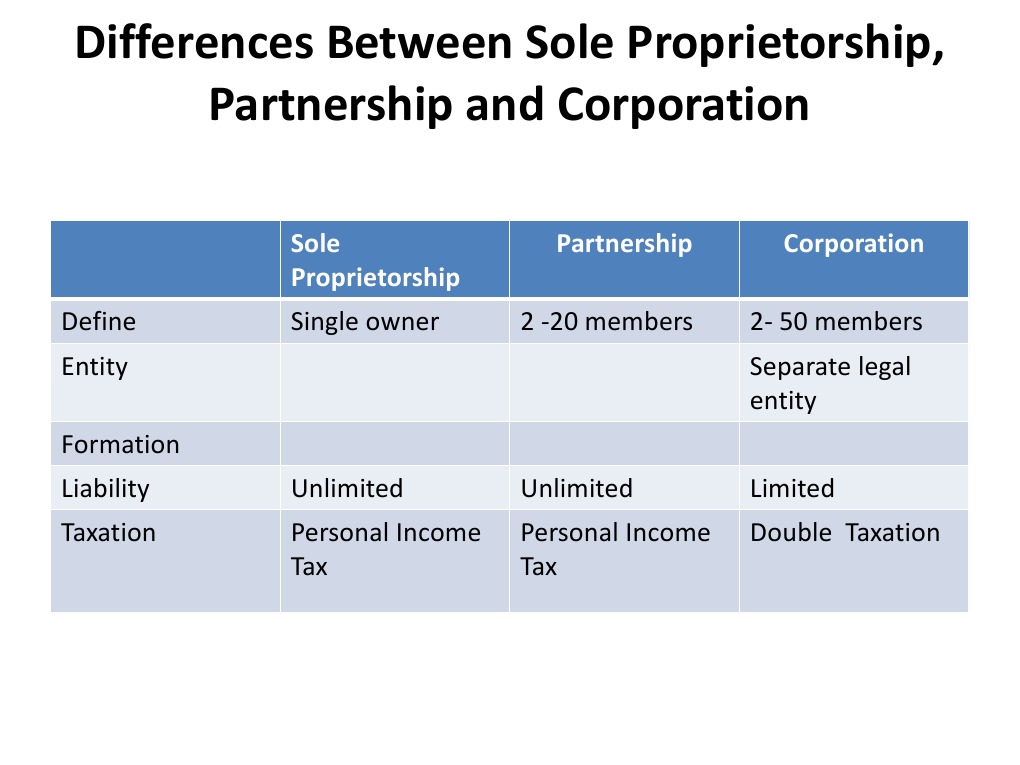
Recognizing the Financial Obligations of an LLC
When forming a Minimal Obligation Business (LLC), it is vital to recognize the numerous financial responsibilities that accompany this company framework to ensure compliance and optimum financial administration. First of all, LLCs are subject to an array of taxes, which can vary substantially depending on the state in which the LLC is registered. For example, some states enforce a franchise business tax or a resources worths tax obligation on LLCs, which can considerably influence the overall tax obligation burden. LLCs, by default, are treated as pass-through entities for government earnings tax obligation purposes, suggesting losses and earnings pass through to the owners' individual tax returns, consequently staying clear of the dual taxes commonly faced by firms. However, LLCs can elect to be taxed as firms if it verifies useful for their monetary conditions. Comprehending the tax obligation implications is just one element of managing an LLC's financial resources. Proprietors, often referred to as participants, must also be attentive in separating individual and organization funds. This separation improves not only financial quality yet additionally reinforces the lawful securities provided by the LLC framework. It is necessary to maintain this separation by using a devoted business financial account and credit limit solely for business purchases. Furthermore, depending upon the variety of workers an LLC has, payroll taxes should additionally be taken care of carefully. These tax obligations consist of withholding government and state income taxes, social safety, and Medicare from workers' salaries. Failure to effectively handle these taxes can cause substantial penalties. One more financial obligation of LLCs is the prospective need for yearly reports and costs. Most states need LLCs to submit yearly or biennial records in addition to a filing cost. These records are vital as they keep the state updated on the LLC's energetic condition and existing details such as addresses and representative for solution of procedure. It is vital for LLC participants to be familiar with these target dates and maintain compliance to stay clear of penalties and prospective dissolution of the LLC. Finally, the monetary commitments of running an LLC can be complex and vary commonly depending upon state laws and the certain conditions of the company. It is recommended for LLC participants to consult with lawful and economic experts to make sure that they are not only meeting all regulative and financial responsibilities however also making tactical choices that enhance the productivity and long life of their business.